INSTITUTIONAL ORGANISATION

Committees at ICMAB

Participatory governance, institutional engagement and continuous improvement across the Institute of Materials Science of Barcelona.


Participatory governance for a scientific institute

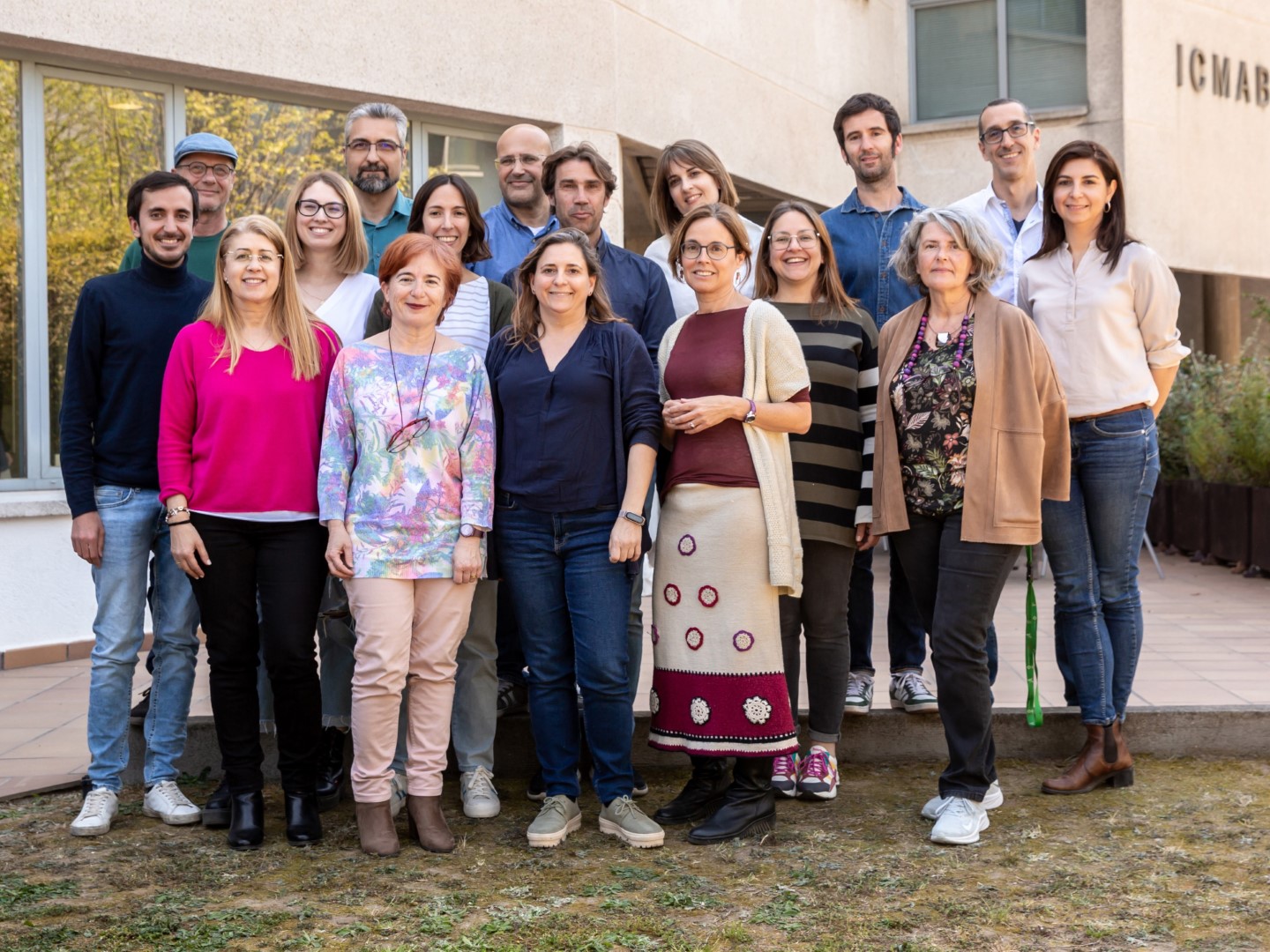
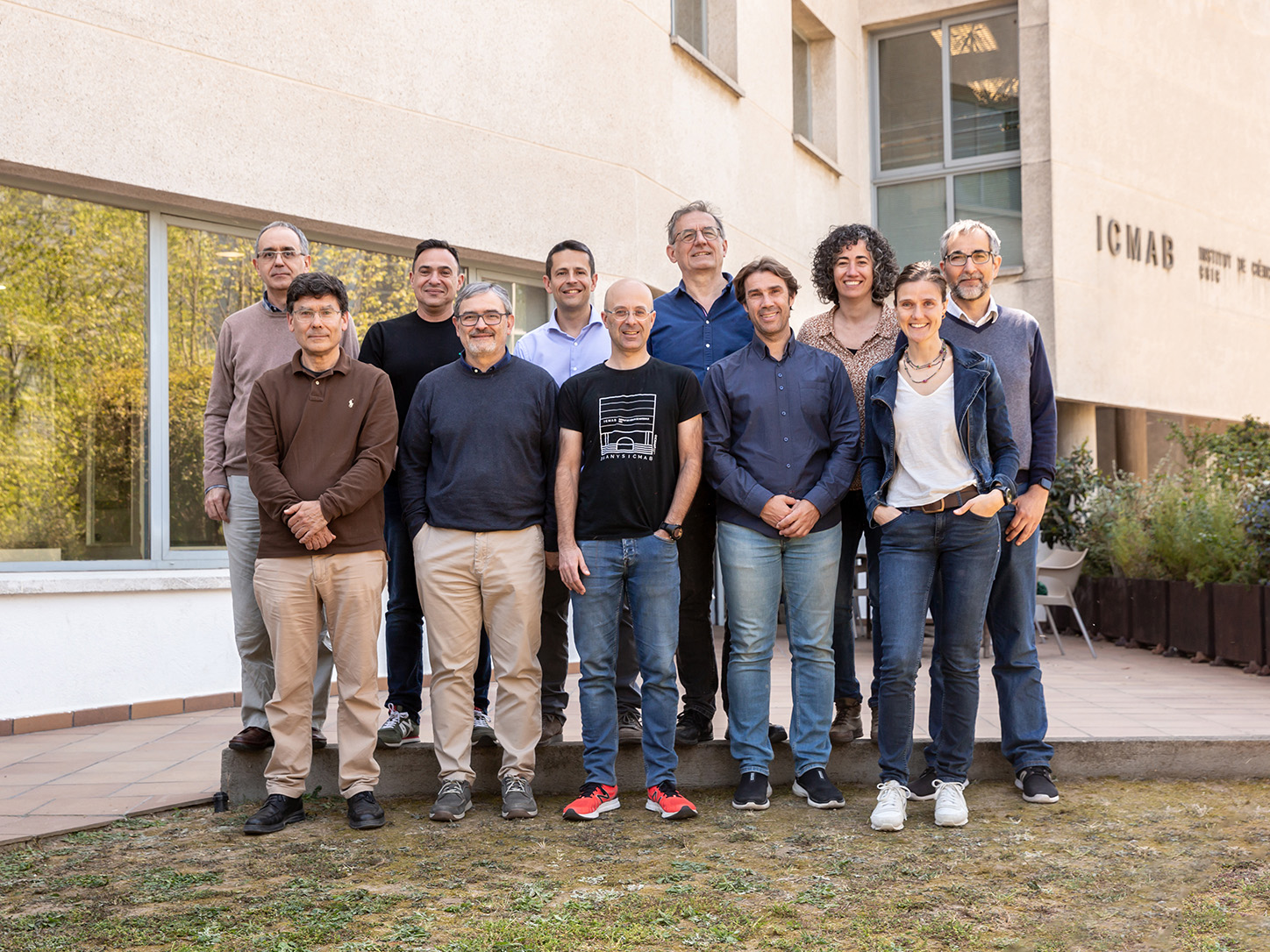
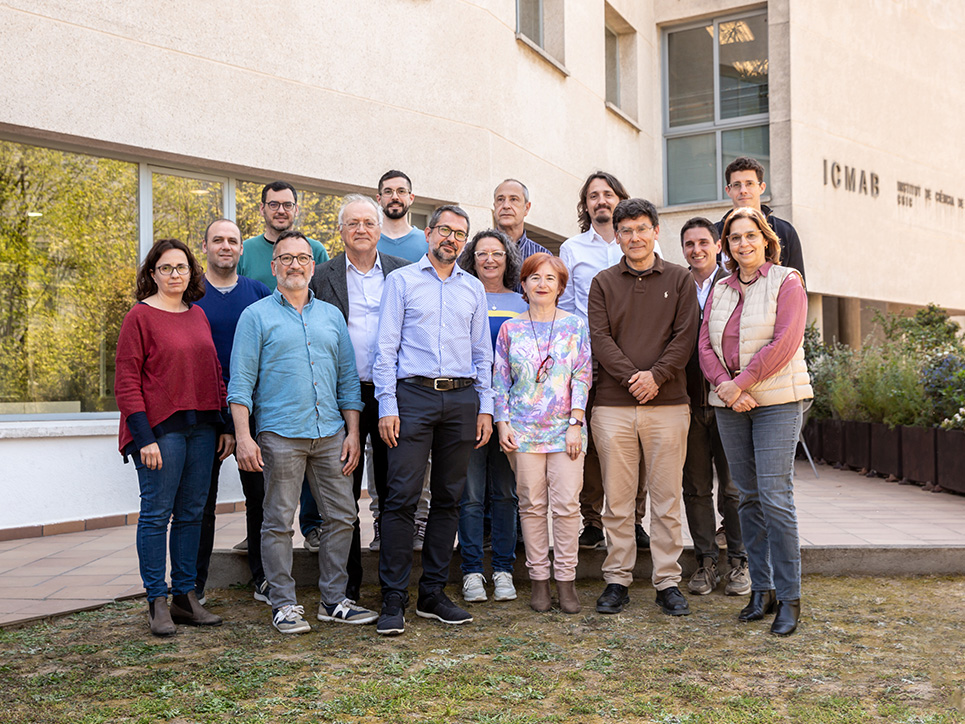
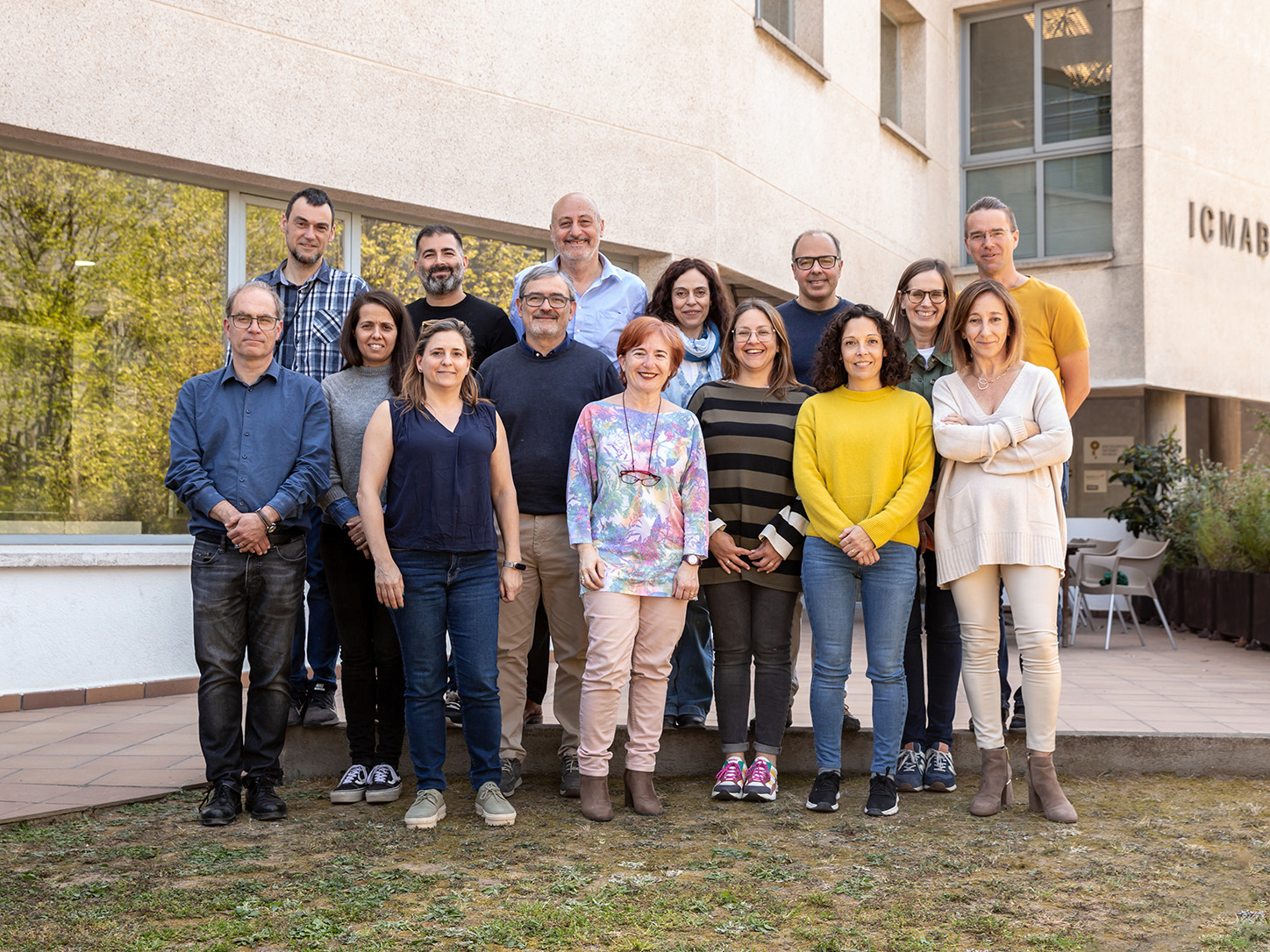
ICMAB committees bring together researchers, technical staff, administration professionals, management representatives and early-career members to support strategic initiatives, institutional development and community engagement.

They provide transversal working spaces where the ICMAB community can identify needs, propose actions, coordinate activities and reinforce the institute’s mission as a leading European centre for advanced materials research.

What committees do

Committees help transform institutional priorities into coordinated actions, shared practices and measurable improvements.

Strategic Development

Supporting institutional priorities, new initiatives and long-term organisational goals.

Community Engagement

Encouraging participation across research, technical services, administration and early-career staff.

Knowledge Sharing

Facilitating communication, training, shared resources and internal collaboration.

Continuous Improvement

Identifying opportunities, proposing actions and following up institutional progress.

Committees ecosystem

A transversal ecosystem supporting responsible governance, innovation, wellbeing and scientific excellence.

Responsible adoption of artificial intelligence for research, administration, scientific services and institutional knowledge workflows.
Strengthening scientific communication, public engagement, outreach activities and institutional visibility.
Promoting equal opportunities, inclusion, diversity and a fair institutional culture across ICMAB.
Supporting digital transformation, IT coordination, data workflows and secure technological practices.
Connecting scientific knowledge, technology transfer, innovation strategy and societal or industrial impact.
Promoting safe working conditions, wellbeing, prevention culture and healthy institutional environments.
Supporting scientific exchange, internal training, seminars, workshops and professional development.
Advancing environmental responsibility, sustainable laboratories, resource awareness and greener scientific practices.
Supporting talent strategy, recruitment, career development and institutional attractiveness.

How committees are organised

Each committee is organised according to its specific mission and institutional scope. Most committees combine coordination roles, representatives from different areas of the institute, working groups and regular reporting mechanisms.

Composition
Researchers, technical staff, administration professionals, management representatives and early-career members contribute according to each committee’s mission.
Working groups
Specific work areas allow committees to address concrete needs such as training, sustainability actions, equality initiatives, AI adoption, communication workflows or safety procedures.
Reporting and follow-up
Committees may prepare reports, recommendations, activity summaries and proposals for Direction, Management or the wider ICMAB community.
Participation
Participation is encouraged as a way to strengthen institutional culture and make the institute more collaborative, responsible and future-oriented.

Institutional impact

Committees convert distributed expertise into shared institutional progress.

9

Active and emerging committees

Cross-institute

Participation from research, services, administration and management

Year-round

Activities, initiatives, reports and institutional actions

Latest activities

Recent news and activities related to committees, institutional initiatives, training, outreach, sustainability, equality, technology transfer and digital transformation.

Interested in contributing?

Committees are a key mechanism for institutional participation. They help the ICMAB community contribute to strategic development, scientific culture, responsible innovation and continuous improvement.