SCIENTIFIC & TECHNICAL SERVICES

Thermal Analysis Laboratory

A scientific service for thermal analysis, surface area and porosity studies of advanced materials under controlled temperature, atmosphere and adsorption conditions.

Thermal behaviour, surface area and porosity characterization

The Thermal Analysis Laboratory studies how materials behave when temperature changes under different conditions and atmospheres, and supports surface area and porosity studies.

The service provides simultaneous thermogravimetric analysis and DSC/DTA, differential scanning calorimetry and BET surface area analysis.

It supports ICMAB research groups and scientific users working with advanced functional materials, porous materials, powders, solids, polymers and compounds that require thermal stability, phase transition, mass-loss or adsorption/desorption analysis.

Main laboratory capabilities

A thermal analysis laboratory for studying mass changes, heat flow, phase transitions, thermal stability, decomposition, surface area and porosity.

TGA-DSC/DTA

Simultaneous mass variation and heat-flow / differential thermal analysis as a function of temperature and time.

DSC

Differential scanning calorimetry for phase transitions, fusion, decomposition and thermal events.

BET analysis

Surface area and porosity analysis using nitrogen, argon or carbon dioxide adsorption/desorption.

Controlled atmospheres

Measurements under oxygen, air, argon, diluted hydrogen and other controlled conditions.

Equipment

The service combines thermal analysis instrumentation and BET porosimetry systems for advanced materials characterization.

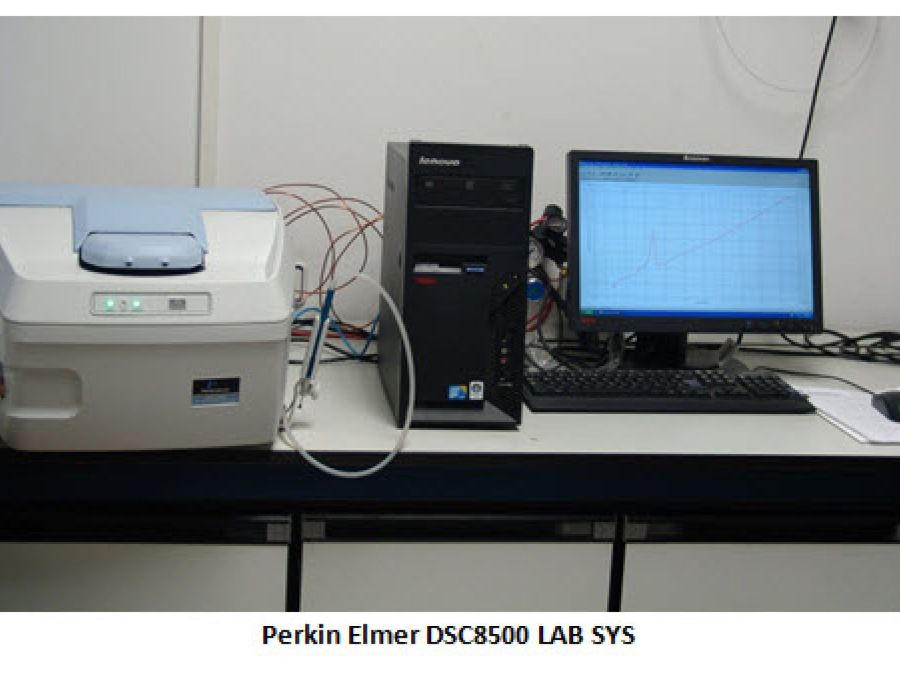
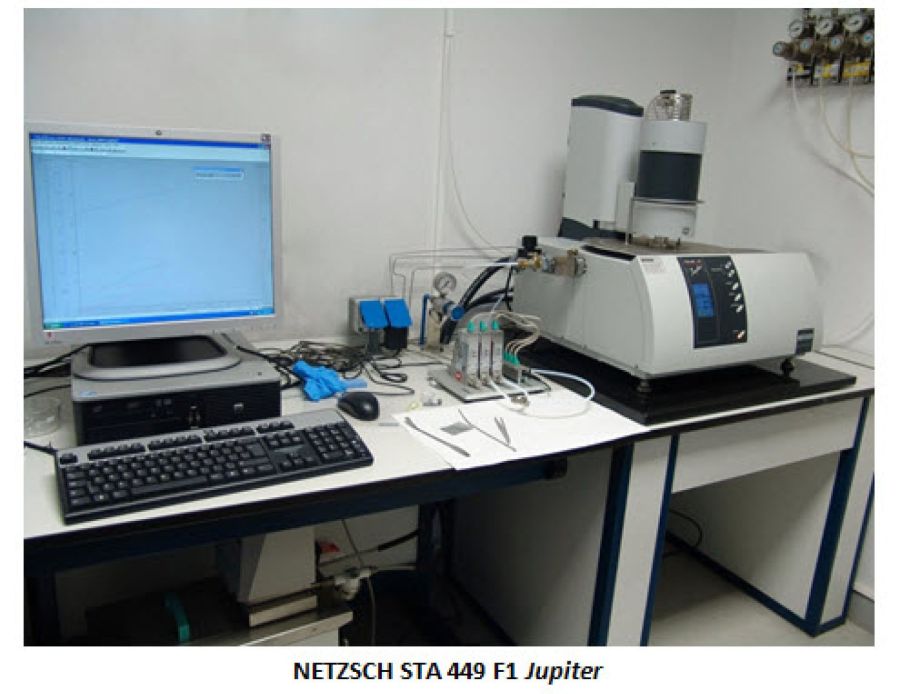
The Thermal Analysis Service of ICMAB includes two equipments, a simultaneous thermogravimetric analysis (TG)- differential scanning calorimetry/differential thermal analysis (heat flow DSC /DTA) system NETZSCH -STA 449 F1 Jupiter, and a differential scanning calorimeter (power compensation DSC) Perkin Elmer DSC8500 LAB SYS (N5340501) equipped with a Liquid N2 controller CRYOFILL (N534004)
Thermal Analysis

Thermal Analysis

  • NETZSCH -STA 449 F1 Jupiter: Allows for simultaneous thermogravimetric analysis (TG) and differential scanning calorimetry/differential thermal analysis (DSC/DTA).
  • Perkin Elmer DSC8500 LAB SYS (N5340501): A differential scanning calorimeter with DSC power compensation, equipped with a CRYOFILL (N534004) liquid N2
  • Perkin Elmer DSC8000 (N5340511): A differential scanning calorimeter with DSC power compensation, equipped with Intercooler 2 Cooling Accessory (N5374099)
  • Perkin Elmer Pyris 1 TGA Thermogravimetric Analyzer
 

BET Surface Area Analysis

BET Surface Area Analysis

  • Micromeritics ASAP 2000 (N2): Accelerated Surface Area and Porosimetry System using nitrogen as adsorption/desorption gas.
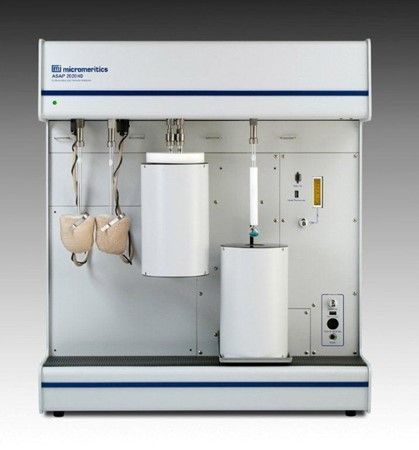
  • Micromeritics ASAP 2020 (N2, Ar, CO2): Accelerated Surface Area and Porosimetry System using either nitrogen, argon or carbon dioxide as adsorption/desorption gas.
BET

BET

Techniques
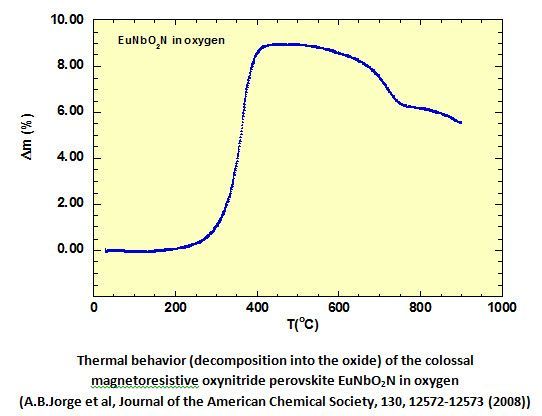
Thermal analysis techniques provide key information on stability, mass-loss, transitions, reactions and thermal response of materials.

TGA-DSC/DTA

The simultaneous TGA-DSC/DTA analyzer allows the measurement of weight and DSC (heat flow)/DTA (differential thermal analysis) signals as a function of temperature and time. It is used for monitoring chemical reactions, thermal stabilities, solvent evaporation and reduction and oxidation of materials under different gases among other studies. The sensitivity of the balance is 0.07 micrograms. The furnace can operate from room temperature to 1400oC. The analyzer may work in several atmospheres such as oxygen, air, argon and hydrogen (diluted at 5% in Ar), at ambient pressure and with using typical flow rates of 70 cm3/min.

DSC

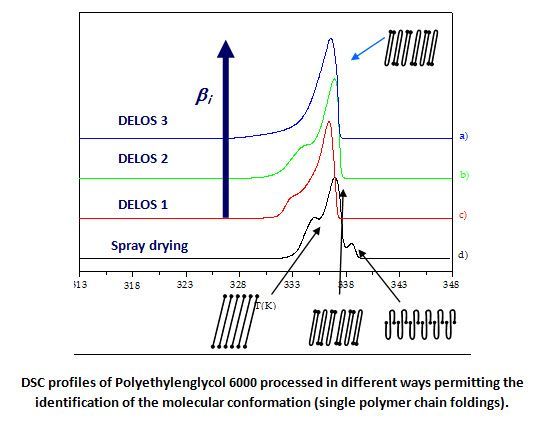
The differential scanning calorimeter Perkin Elmer (power compensation) measures the energy absorbed and released when a sample is heated, frozen, or kept at constant temperature. Experiments can be made in the range of temperatures between 110 and 950 K. DSC is very useful to determine fusion or decomposition temperatures, phase transitions in crystals and amorphous solids, identification of polymorphs and also permits the identification of the molecular conformations as for example single polymer chain folding among others. With this equipment, very small amount of sample is needed (1-2 mg ) to have reliable results.

Request Service

To request this service, download and complete the relevant form and leave it together with the sample in the closet located on the ground floor. For further information, contact the service technician.

To request this service, please fill the application form in the link left and leave it together with the sample in the closet located at in the ground floor. For further information please contact the service technician Roberta Ceravola This email address is being protected from spambots. You need JavaScript enabled to view it.

To request this service, please fill the application form in the link left and leave it together with the sample in the closet located at in the ground floor. For further information please contact the service technician Roberta Ceravola This email address is being protected from spambots. You need JavaScript enabled to view it.

1

Select form
Choose ATG-DSC-EGA or BET.

2

Prepare request
Complete the application form.

3

Submit sample
Leave form and sample in the ground-floor closet.

4

Measurement
Service team performs the required analysis.

5

Results
Receive data and technical feedback.

Thermal analysis in practice

A video overview of the laboratory workflow and equipment environment.

Thermal Analysis Laboratory team

Technical staff, scientists in charge and user committee members supporting thermal analysis, DSC, TGA and BET characterization workflows.

Technicians


Scientists in charge


User's Committee

Contact Thermal Analysis Laboratory

ICMAB
Campus UAB
In front of Firehouse
08193 Bellaterra
Barcelona, Spain

E-mail

(Roberta: TGA/DSC, Alejandro: BET)

Phone