SCIENTIFIC & TECHNICAL SERVICES

Soft Matter Preparation & Characterization

A scientific service for the preparation and characterization of soft molecular materials, dispersed systems, micro- and nanostructured materials and functional nanomaterials.

Preparation and characterization of micro- and nanostructured soft materials

The Soft Materials Service provides equipment and technical assistance for the preparation and characterization of micro- and nanostructured soft molecular materials.

The service supports molecular surfaces, micro- and nanoparticulate molecular materials, plastic films, dispersed systems, SAMs and related functional materials with applications in biomedicine, electronics, energy storage and chemical or materials science.

Its scientific infrastructure combines processing technologies, particle characterization, dispersion stability analysis, thermodynamic measurements and biomolecular interaction tools.

Quality commitment and certified service operation

The Soft Materials Service includes quality documentation and an ISO 9001:2015 certificate, reinforcing its role as a reliable scientific and technical service for research users.

Part of NANBIOSIS Unit 6

These equipment and services constitute unit 6 of NANBIOSIS, the integrated infrastructure for the production and characterization of nanomaterials, biomaterials and systems in biomedicine, of CIBER-BBN and the Minimal Invasion Surgery Center Jesús Usón, which has been recognized by Spanish Government as Unique Scientific-Technological Infrastructure (ICTS).

Main service capabilities

A scientific platform for soft matter preparation, nanomaterials preparation and physicochemical characterization of dispersed systems, particles, films and molecular materials.

Soft material processing

Preparation of micro- and nanostructured soft molecular materials using advanced processing methods.

Nanomaterials preparation

Support for dispersed systems, nanoparticles, polymeric matrices, films, vesicles and porous materials.

Particle characterization

Particle size, concentration, zeta potential, density, stability and morphology-related measurements.

Biomolecular interactions

Thermodynamic and label-free analysis tools for interactions, binding and biochemical characterization.

Booking calendar

Check availability for key Soft Materials equipment before arranging service access with the technical team.

Request Service

Contact the service team to define the experimental needs, available instrumentation and access conditions for soft matter preparation and characterization.

Apply for a service

In order to apply for a service, please, contact Amable Bernabé at This email address is being protected from spambots. You need JavaScript enabled to view it.. He will contact you for arrangements.

High-pressure equipment access

For the use of lab-scale high pressure plant and high-pressure phase analyzer please contact Amable Bernabé at This email address is being protected from spambots. You need JavaScript enabled to view it.

Equipment

The service brings together processing, particle sizing, dispersion stability, density, calorimetry, filtration, microfluidics and interaction analysis equipment.
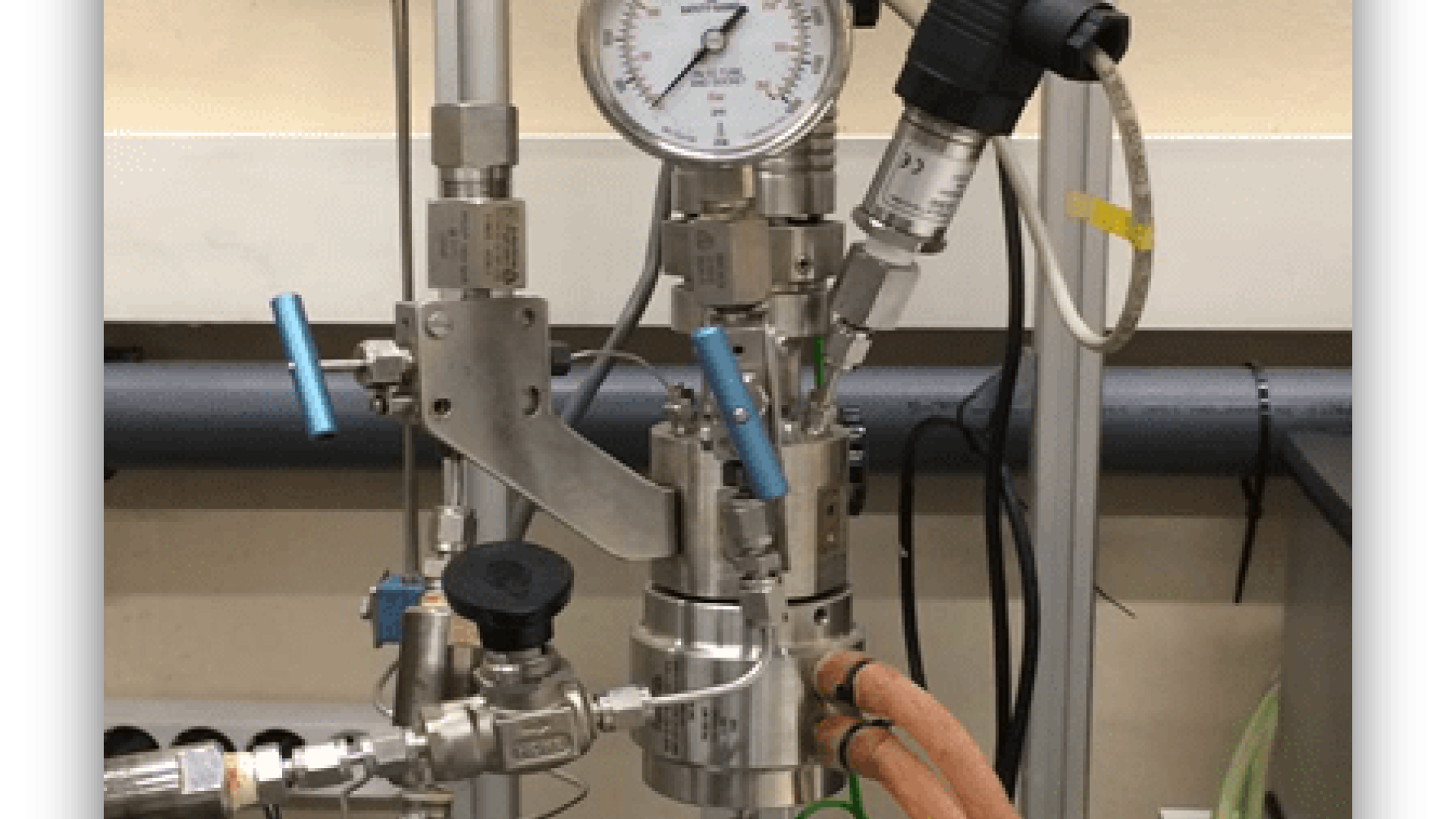
Lab-scale high pressure equipment for materials processing with compressed fluids (i.e. CO2, ferons)
Preparation of soft molecular materials with controlled structure at supramolecular, micro- and nanoscopic level, using one-step methodologies based on green compressed fluids (i.e. supercritical CO2)

  • Micro- and nanoparticulate single compounds with high supramolecular homogeneity (i.e. pure polymorphic phases, materials with single polymer folding, etc..)
  • Particulate polymeric matrix uniformly loaded with active compounds (therapeutics, cosmetic ingredients, catalyst, pigments and dyes, etc..)
  • Dispersed systems (suspensions, liposomes, emulsions, vesicles,) with narrow particle size distribution and high morphological homogeneity.
  • Porous materials, either crystalline or amorphous, with defined porosity and porous size.

Location: Laboratory SCF. (MATGAS)

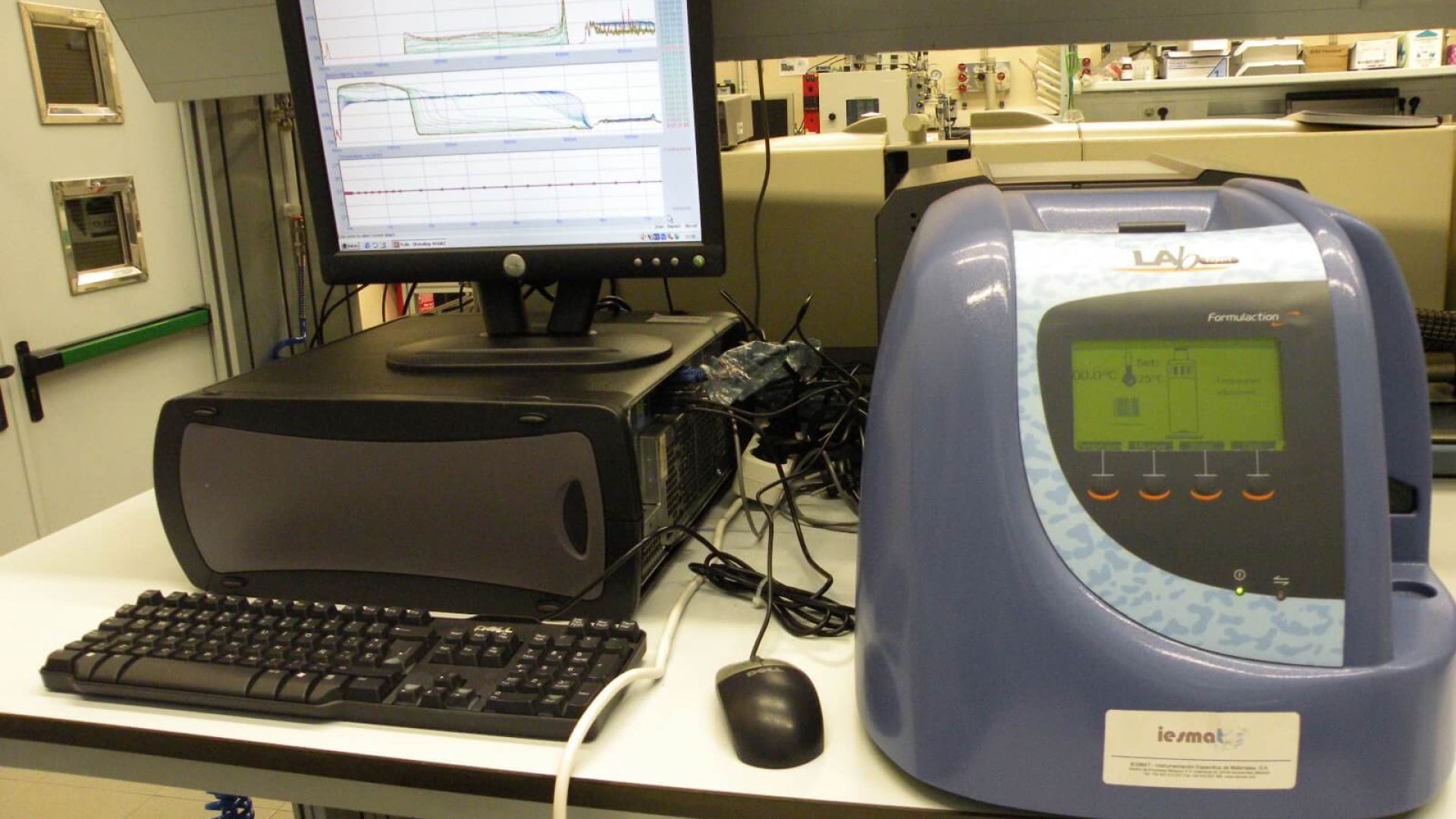
Turbiscan Lab; Formulaction

Stability studies

Turbiscan is used to detect at an early stage all kinds of destabilisation such as coalescence, flocculation, creaming, sedimentation, etc… Various products such as emulsions, suspensions or foams can be studied from low to high concentrations without any sample preparation or dilution. Stability kinetics and index are measured for an efficient sample analysis and comparison.

Location: Laboratory SCF.  (MATGAS)

More info: http://www.sonics.com/lp-vibra.htm

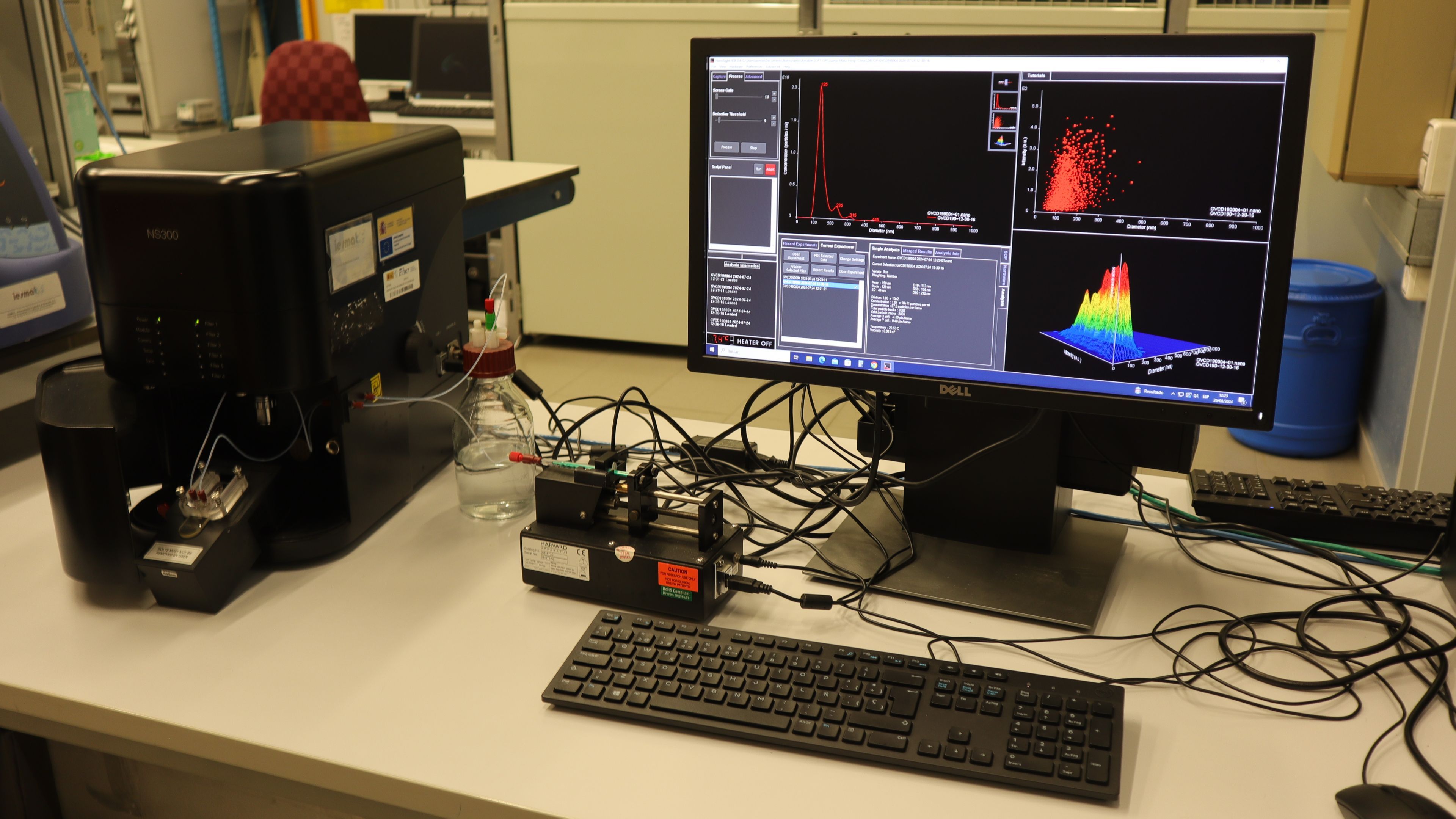
Nanosight NS300; Malvern Instruments

Automated analysis of the size distribution and concentration

The Malvern NanoSight NS300 uses the technology of Nanoparticle Tracking Analysis (NTA). This unique technology utilizes the properties of both light scattering and Brownian motion in order to obtain the size distribution and concentration measurement of particles in liquid suspension.

Our equipment supports research in:

  • Extracellular vesicles and exosomes
  • Viruses and vaccines
  • Drug delivery systems
  • Biotherapeutics
  • Colloids and nanomaterials
  • Ultrafine bubbles, and more.

Location: Laboratory SCF.  (MATGAS)

More info:  http://www.malvern.com/en/products/product-range/nanosight-range/nanosight-ns300/default.aspx

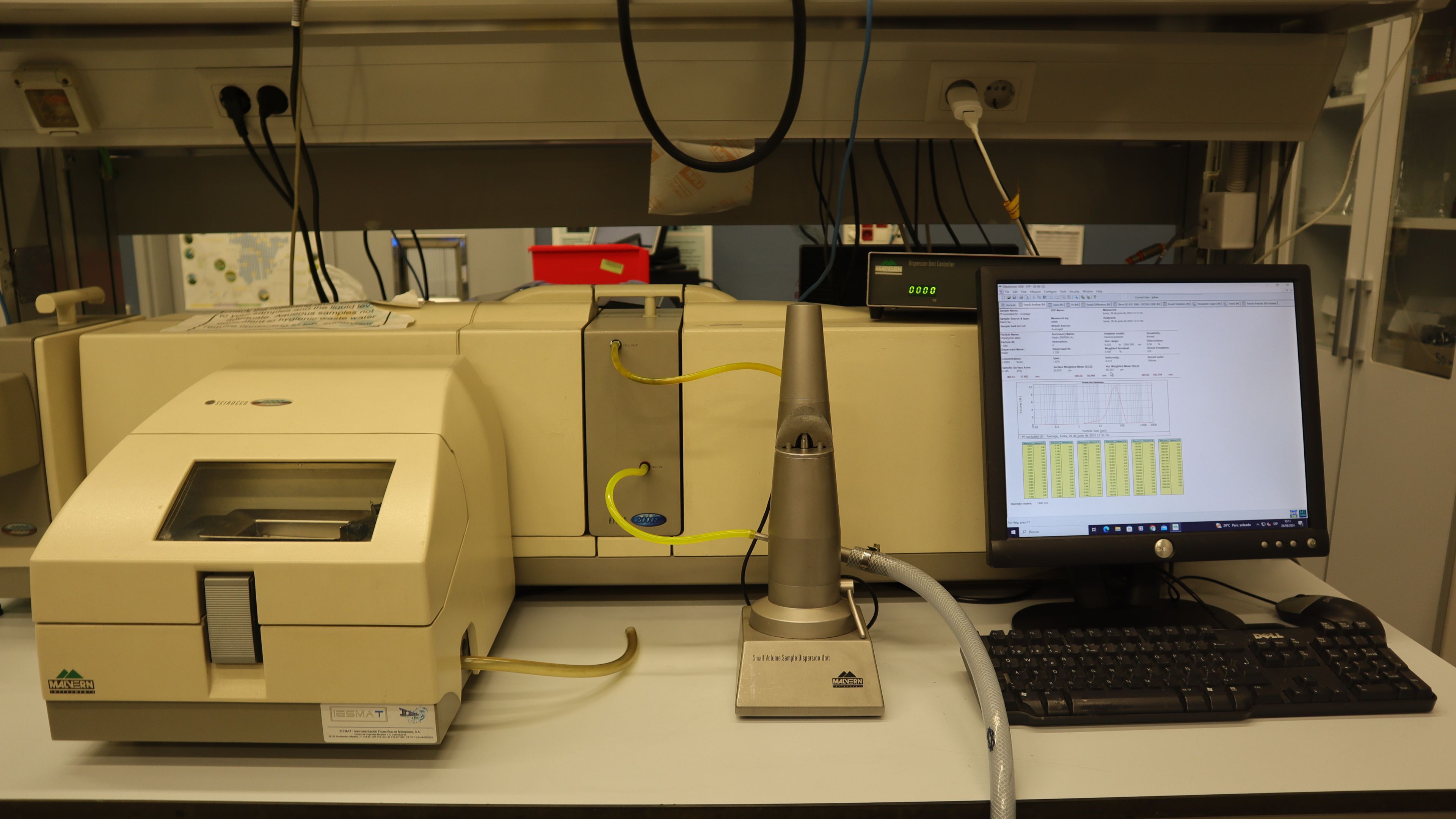
Mastersizer 2000; Malvern Instruments
Particle size distribution (from 0.1 to 3500 microns)

The Mastersizer 2000 uses the technique of laser diffraction to measure the size of particles for both solid and liquid samples.

Applications:

  • Molecular and Particle Size Distribution Analysis
  • Powder Fluidity Analysis
  • Particle Compression Density Analysis
  • Stability Analysis in Suspensions & Emulsions
  • Dissolution Rate of Materials
  • Reaction Rate in Solid Systems

Location: Laboratory SCF.  (MATGAS)

More info:   http://www.malvern.com/en/support/product-support/mastersizer-range/mastersizer-2000/default.aspx

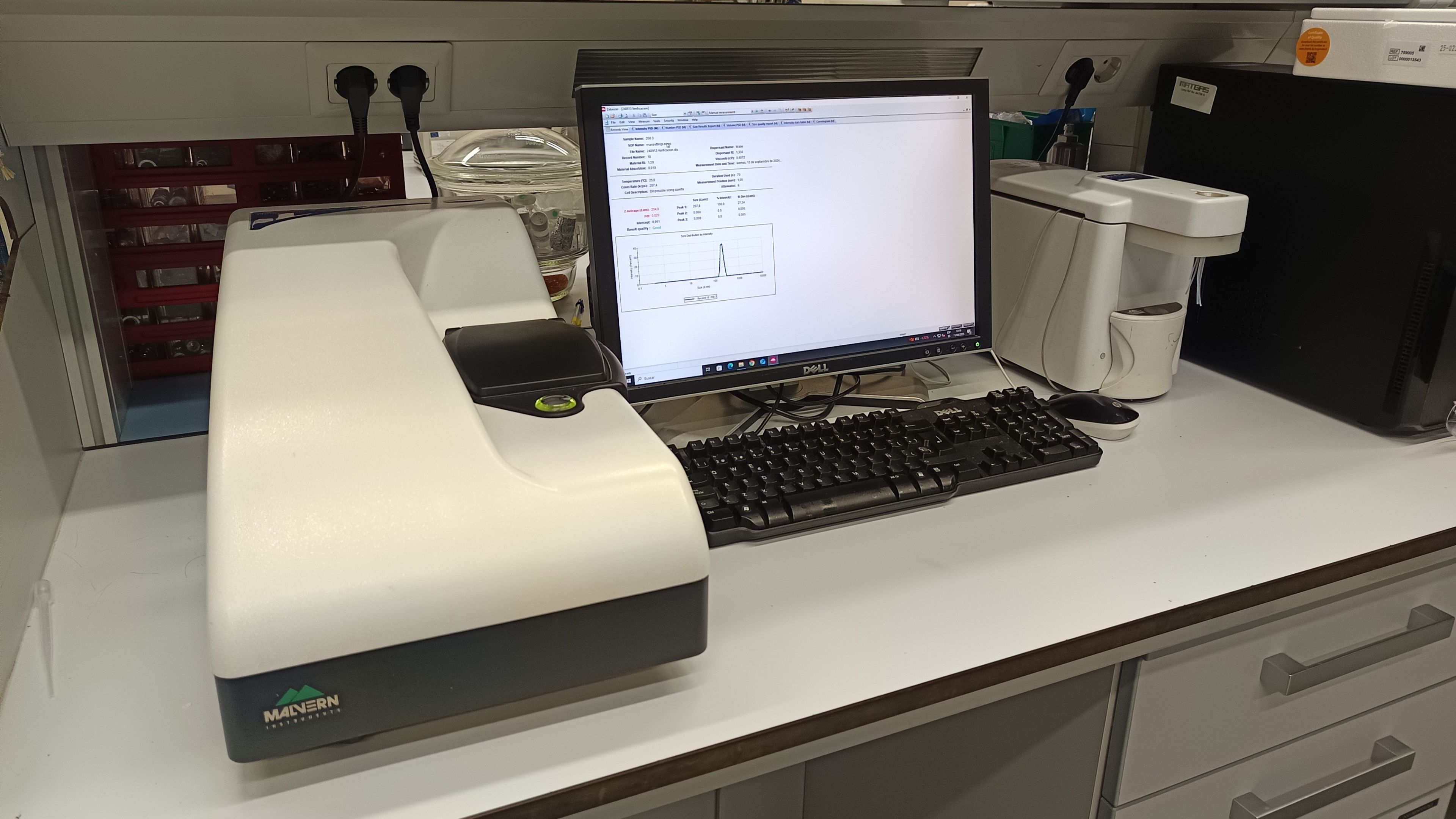
Zetasizer Nano ZS; Malvern Instruments
Particle size distribution (from 0.6 to 6000nm); Z potential and molecular weight measurements by DLS-NIBS

Measurement of the particle size distribution of solid or dispersed materials (suspensions, liposome, vesicles, emulsions) using the Brownian motion of particles, which move randomly in a liquid.

Applications:

  • Molecular and particle size distribution analysis.
  • Analysis of the stability or tendency of molecules or particles to aggregate, using zeta potential.
  • Measurement of molecular weight.

Location: Laboratory 2.32 ICMAB and SCF. (MATGAS)

More info:   http://www.malvern.com/en/products/product-range/zetasizer-range/zetasizer-nano-range/zetasizer-nano-zs/

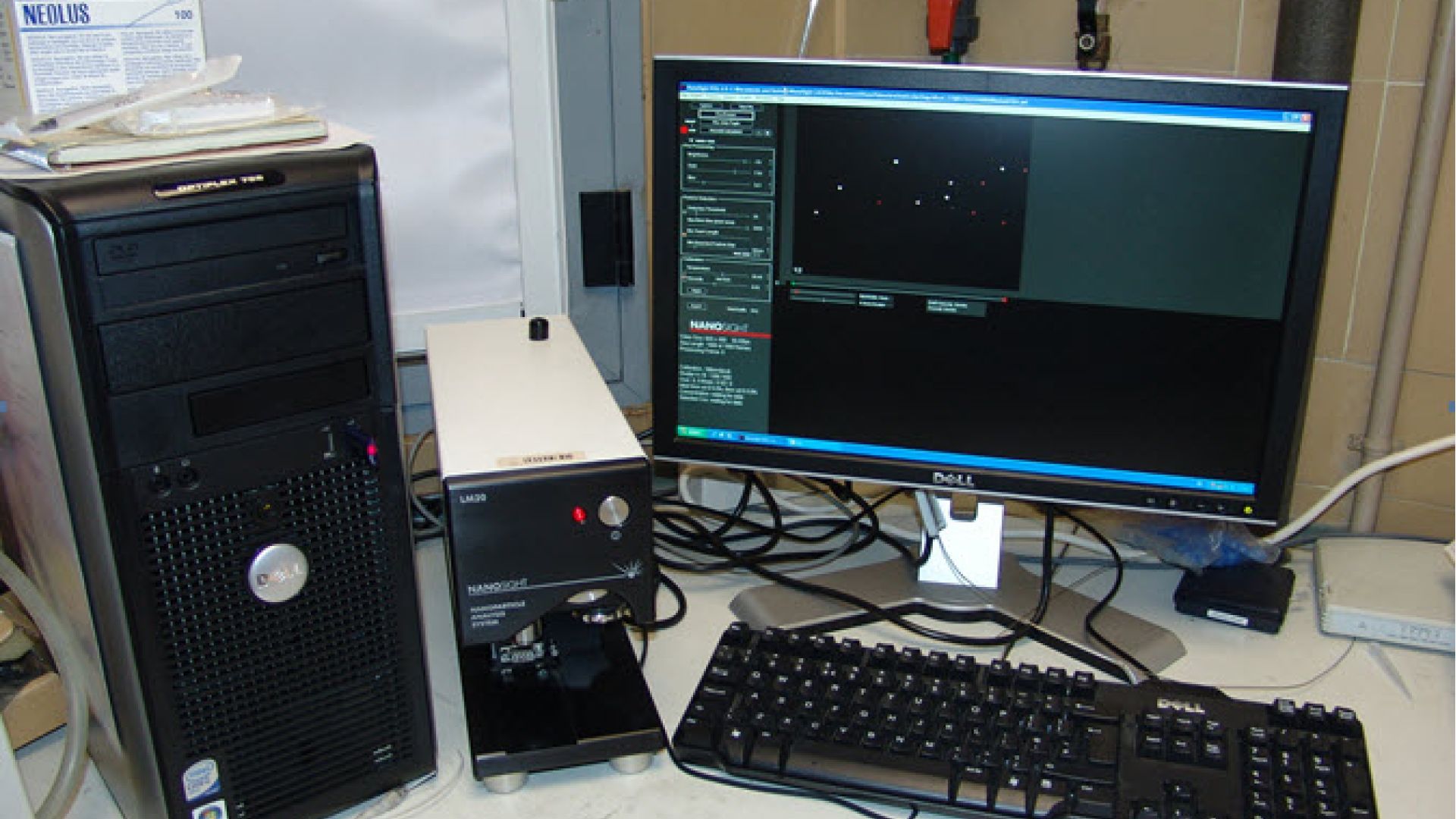
Particle size distribution (from 10 to 1000nm) and particle concentration by real-time visualization of nanoparticles in a liquid (Equipment: LM20; Nanosight )
Particle size distribution and particle concentration by real-time visualization of nanoparticles in a liquid. In addition to biological samples also paints, pigments, sun creams, inks, metals, metal oxides or fuel additives in any non-corrosive solvent and water can be examined with virtually no sample preparation.

  • Nanoparticle analysis range: typically 10 nm – 1000 nm, dependent on particle material
  • Particle type: any
  • Solvent: any non-corrosive solvent and water. A range of solvent-resistant seals are available.
  • Sample volume requirements: 0.3 ml

Location: Laboratory 2.30. ICMAB

More infohttp://www.nanosight.com/products/lm20

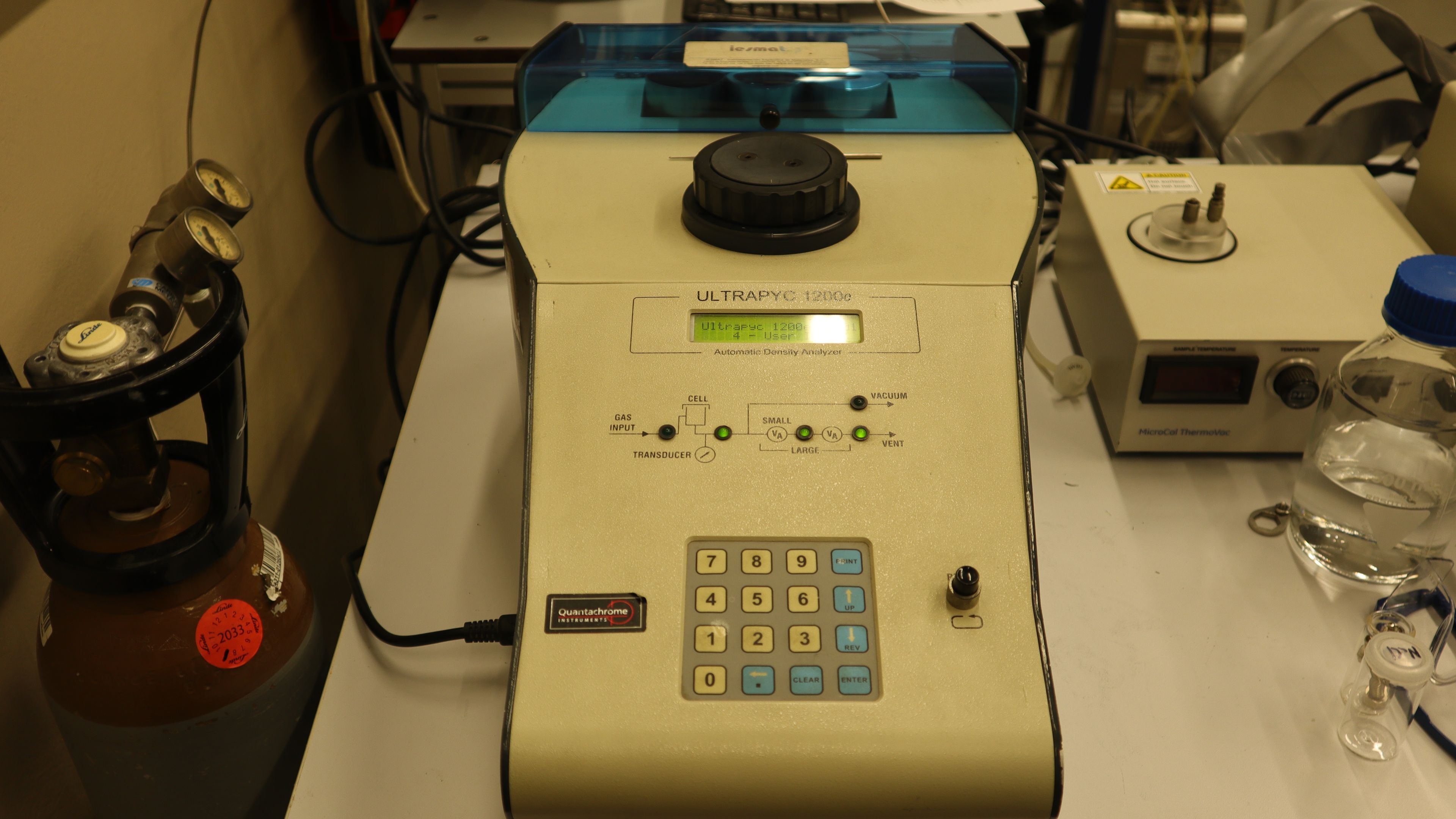
Ultrapyc 1200e Helium Pycnometer; Quantachrome Instruments
Volume and density measurement of porous solids and powders

The Ultrapyc 1200e by Quantachrome Instruments is a fully automated helium gas pycnometer designed for highly accurate and repeatable measurements of volume and true density in powders, porous materials, and solid objects. Using helium displacement, it provides non-destructive analysis of sample volume—even in complex or irregularly shaped materials—making it an essential tool in both research and quality control environments.

Applications:

  • Porous Materials
  • Pharmaceuticals and Excipients
  • Food Industry
  • Ceramics and Refractory Materials
  • Geological Samples
  • Construction and Building Materials
  • Polymers and Composites

Location: Laboratory SCF. (MATGAS)

More info: LINK 


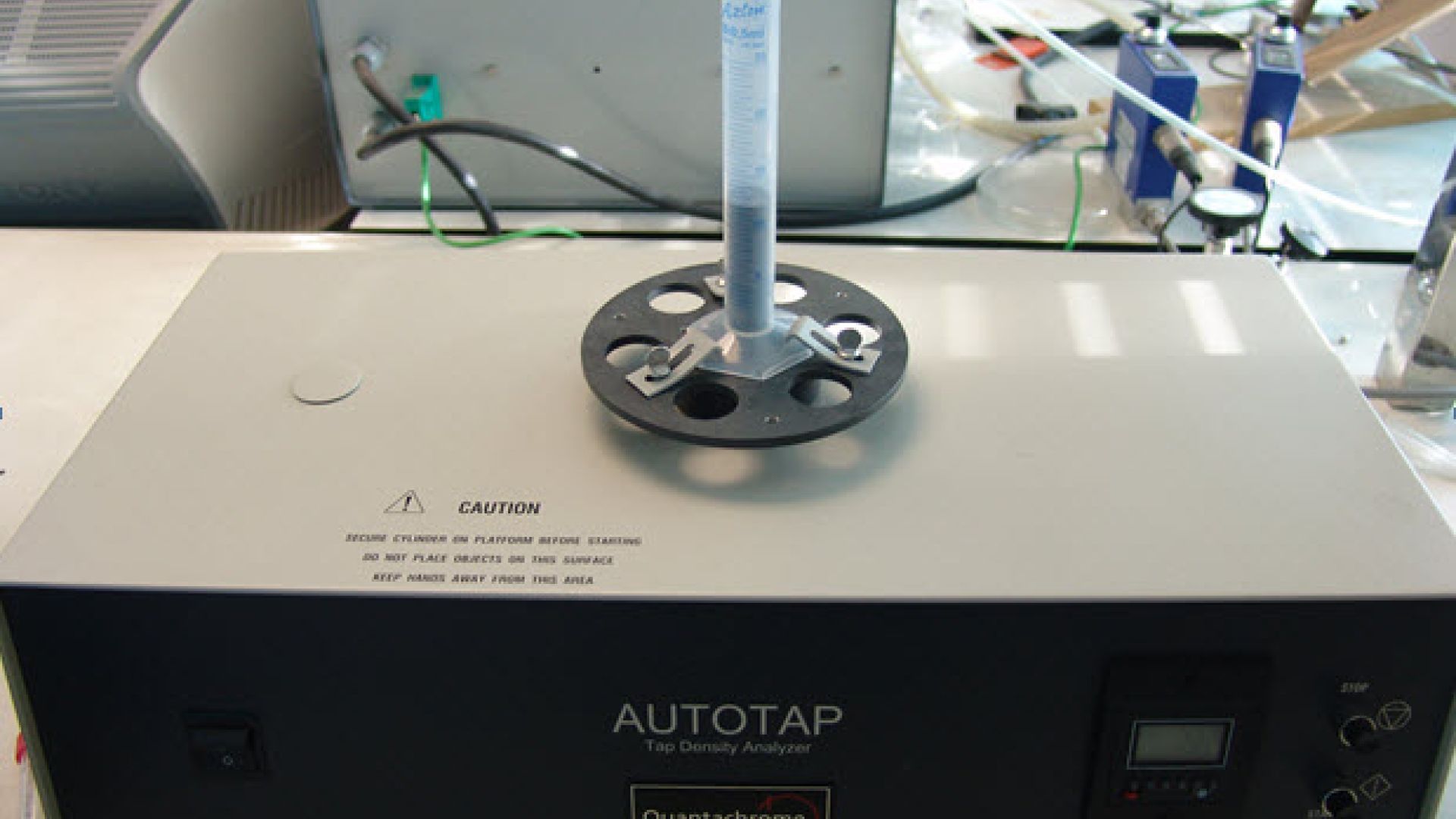
Autotap; Quantachrome Instruments

Bulk density and powder packing tests

The Autotap system is a high-precision instrument designed to measure the tap density of powdered, granular, or flaked materials. Tap density provides essential insight into how particles pack together, which directly affects material behavior during processing, transport, and formulation.

Applications:

  • Powder Flowability Assessment
  • Compressibility and Tableting in Pharmaceuticals
  • Formulation Optimization
  • Quality Control and Specification Testing
  • Filling and Packaging Efficiency
  • Materials Development and Research
  • Regulatory Compliance Testing

Ideal for pharmaceutical, chemical, food, cosmetics, and materials science industries.

Location: Laboratory SCF. (MATGAS)

More info: LINK

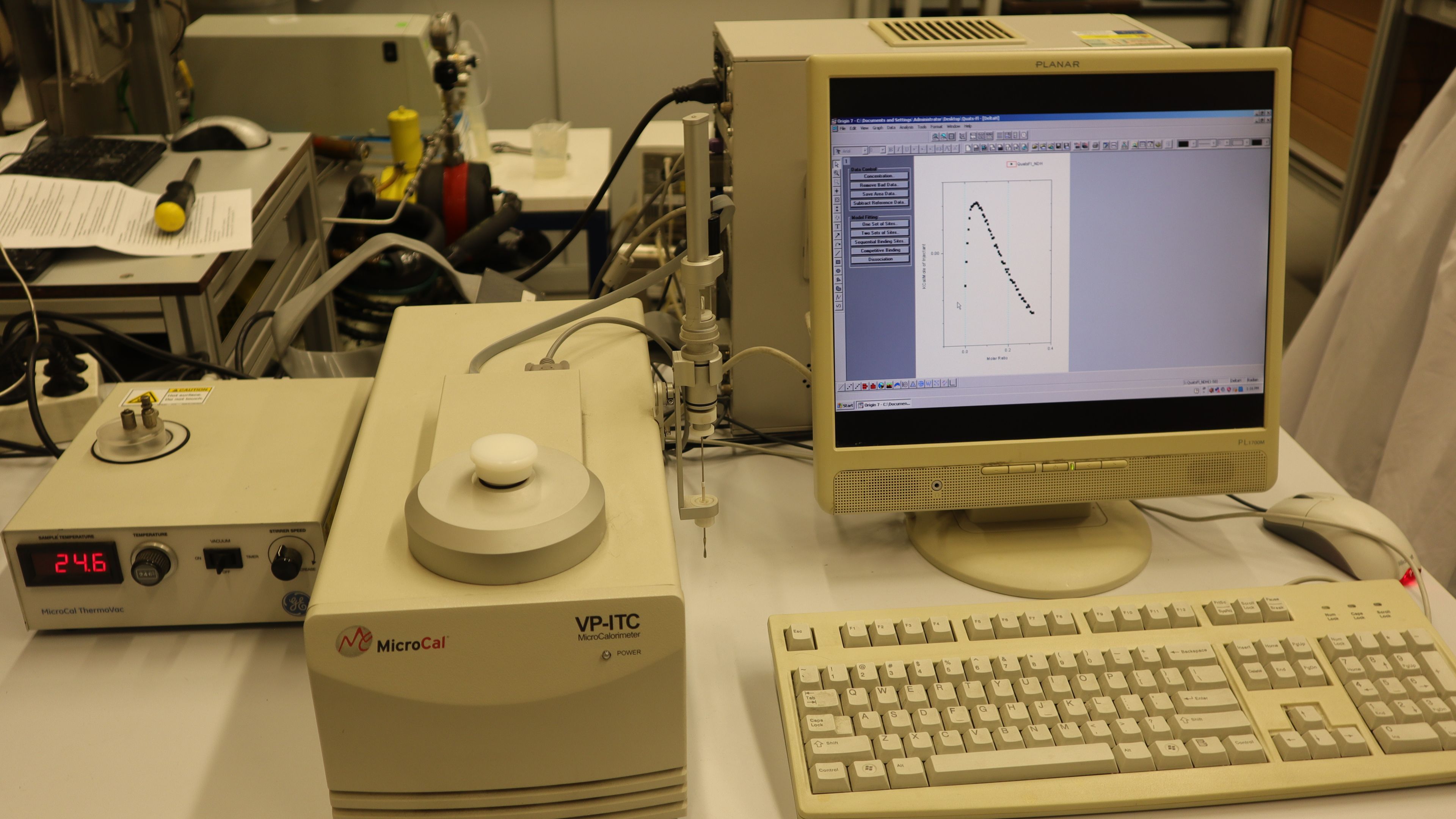
VP-ITC; GE HealthCare-Microcal

Measurement of biomolecular interactions in solution by Isothermal Titration Calorimetry

ITC is a thermodynamic technique that directly measures the heat released or absorbed during a biomolecular binding event (protein-small molecule, protein-protein, target-drug, enzyme-inhibitor, antibody-antigen, protein-DNA, protein-lipid, small molecule-small molecule).

Applications:

  • Characterization of molecular interactions of small molecules, proteins, antibodies, nucleic acids, lipids and other biomolecules.
  • Lead optimization.
  • Enzyme kinetics.
  • Assessment of the effect of molecular structure changes on binding mechanisms.
  • Assessment of biological activity.

    Location: Laboratory SCF. (MATGAS)

    More info: LINK

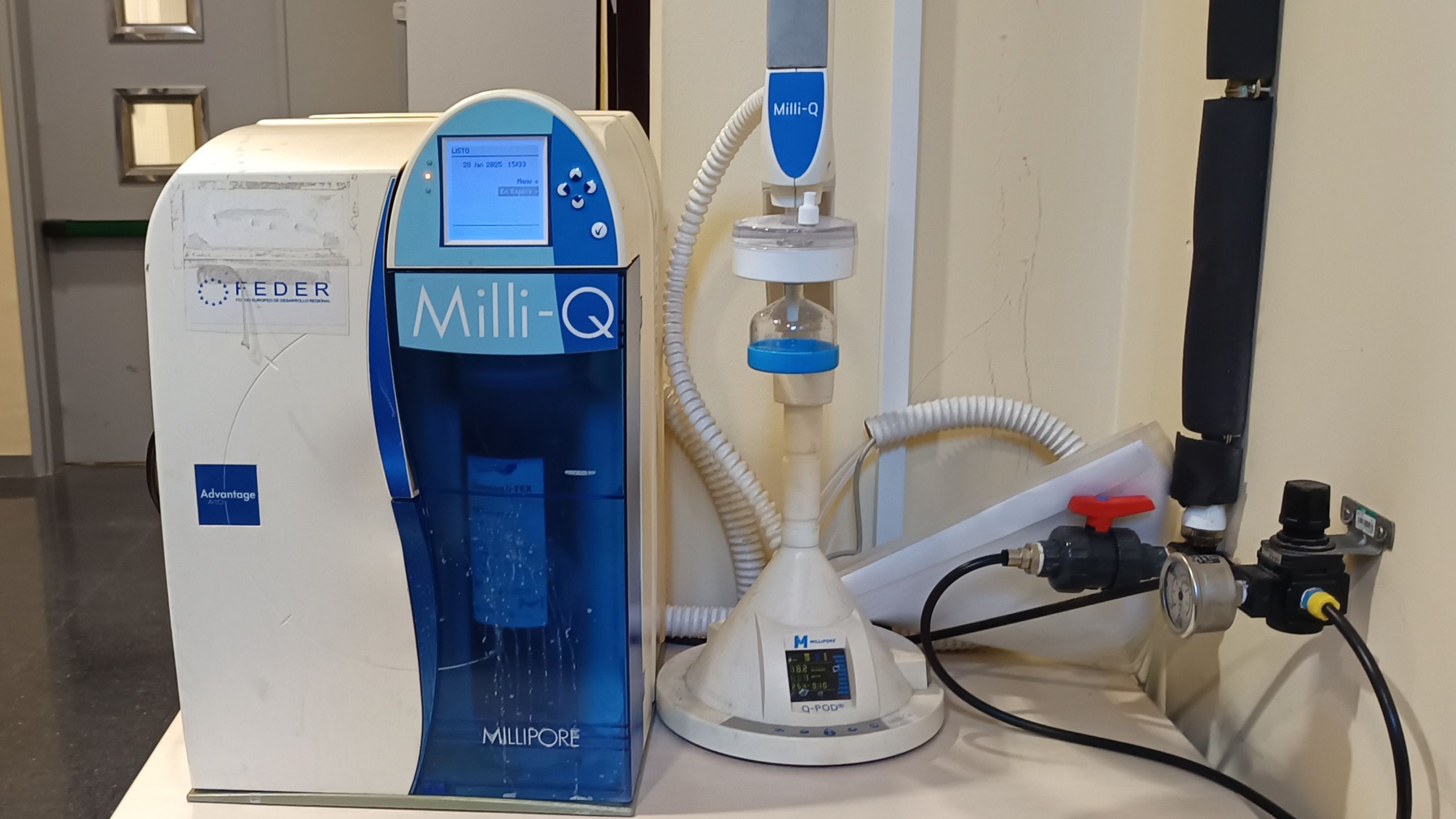
    Milli-Q Water

    The Milli-Q® water purification system delivers ultrapure water that meets the highest standards for laboratory applications. Designed for precision and reliability, it provides Type 1 ultrapure water directly at the point of use, ensuring consistency, reproducibility, and purity for your most sensitive experiments.

    Applications:

    • Preparation of reagents, buffers, and media
    • HPLC, GC, and other analytical techniques
    • Cell and tissue culture
    • Molecular biology and genomics
    • Nanotechnology and materials science

    Location: Laboratory SCF. (MATGAS)

    More info: LINK

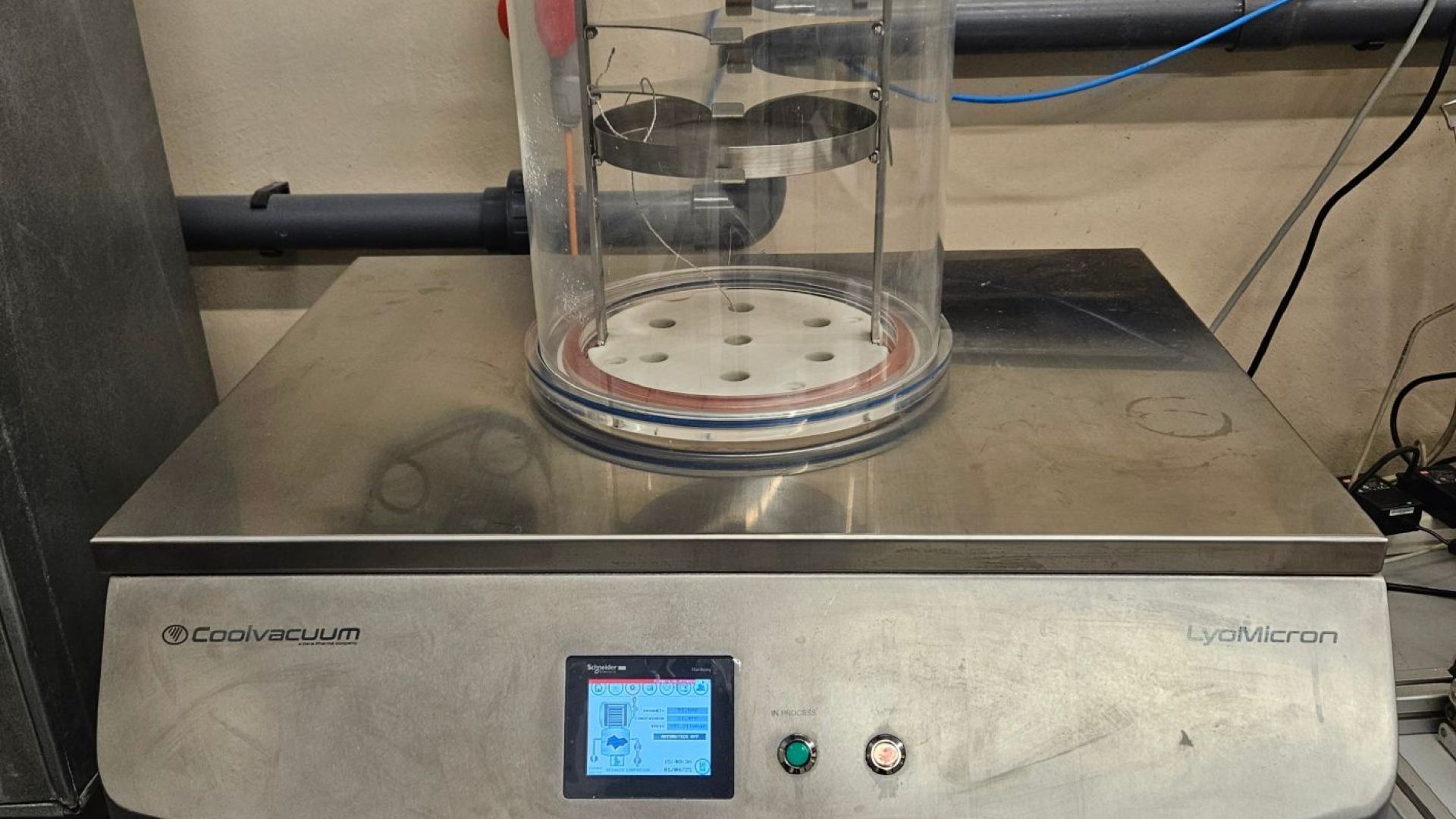
    Lyoquest-85

    Freeze drying (also known as lyophilization) is a water (or other solvents) removal process typically used to preserve materials, with the goal of extending their shelf life or reducing its weight. Freeze drying works by freezing the material, then reducing the pressure and adding heat to allow the frozen water in the material to change directly to a vapor (sublimation).

    Applications:

    • Pharmaceutical industry – Drug formulation & preservation
    • Food industry – Freeze-dried food & ingredient stability
    • Chemical industry – Safe and efficient solvent removal
    • Materials research – Advanced material characterization

    Location: Laboratory SCF.  (MATGAS)

    Zetasizer ULTRA; Malvern Instruments

    Size and particle concentration; Z potential

    The Zetasizer Ultra is the world’s most capable DLS system, incorporating Non-Invasive Back Scatter (NIBS) and, uniquely, Multi-Angle Dynamic Light Scattering (MADLS) technology for the measurement of particle and molecular size.

    Applications:

    • Colloidal silica and ceramics
    • Titanium dioxide and carbon dots
    • Proteins and biotherapeutics
    • Adeno-associated viruses (AAVs) and drug delivery systems

    Location: Laboratory SCF. (MATGAS)


    More info: https://www.malvernpanalytical.com/es/products/product-range/zetasizer-range/zetasizer-advance-range/zetasizer-ultra

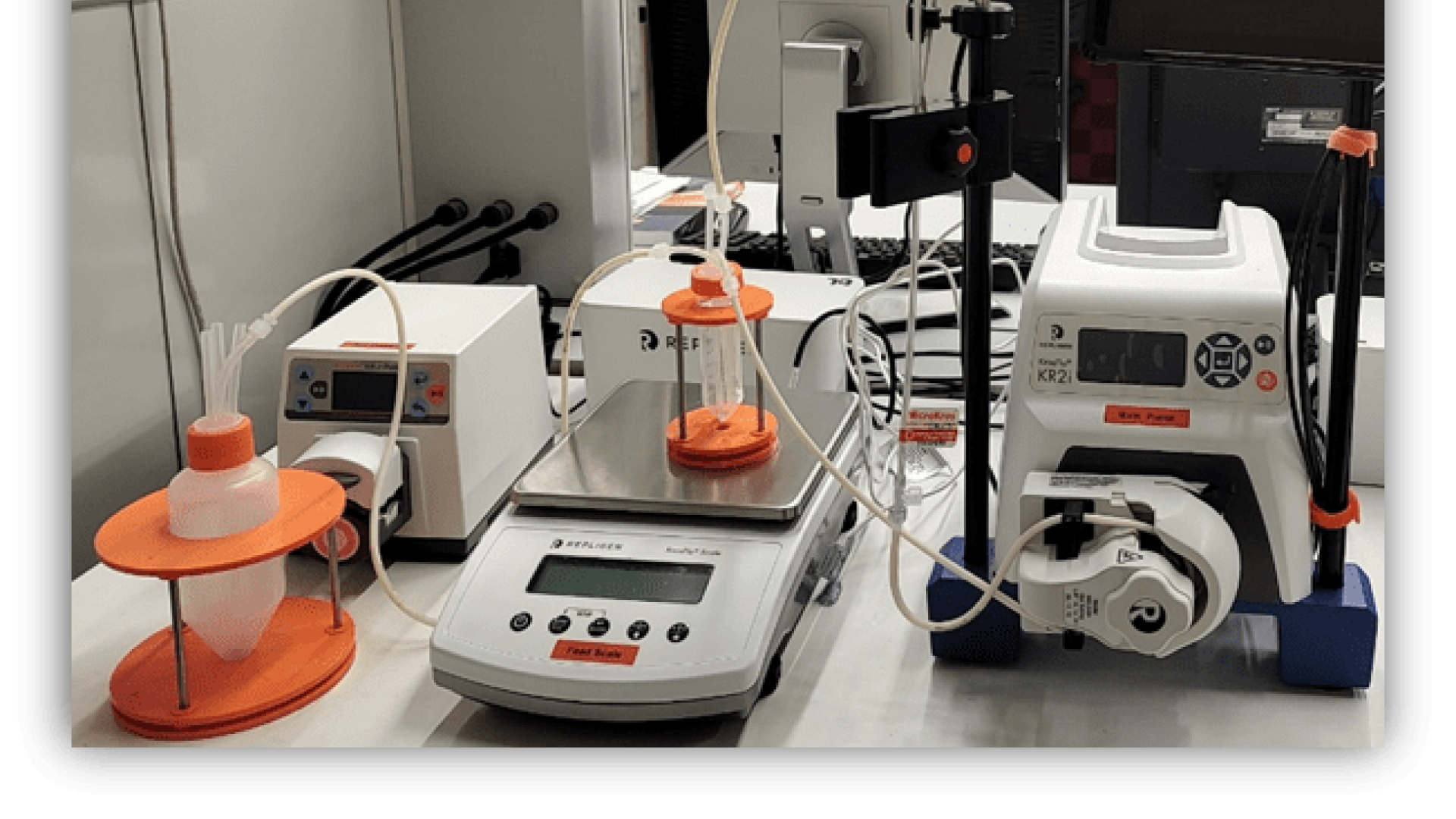
    Tangencial Flow filtration: Krosflo KR2i
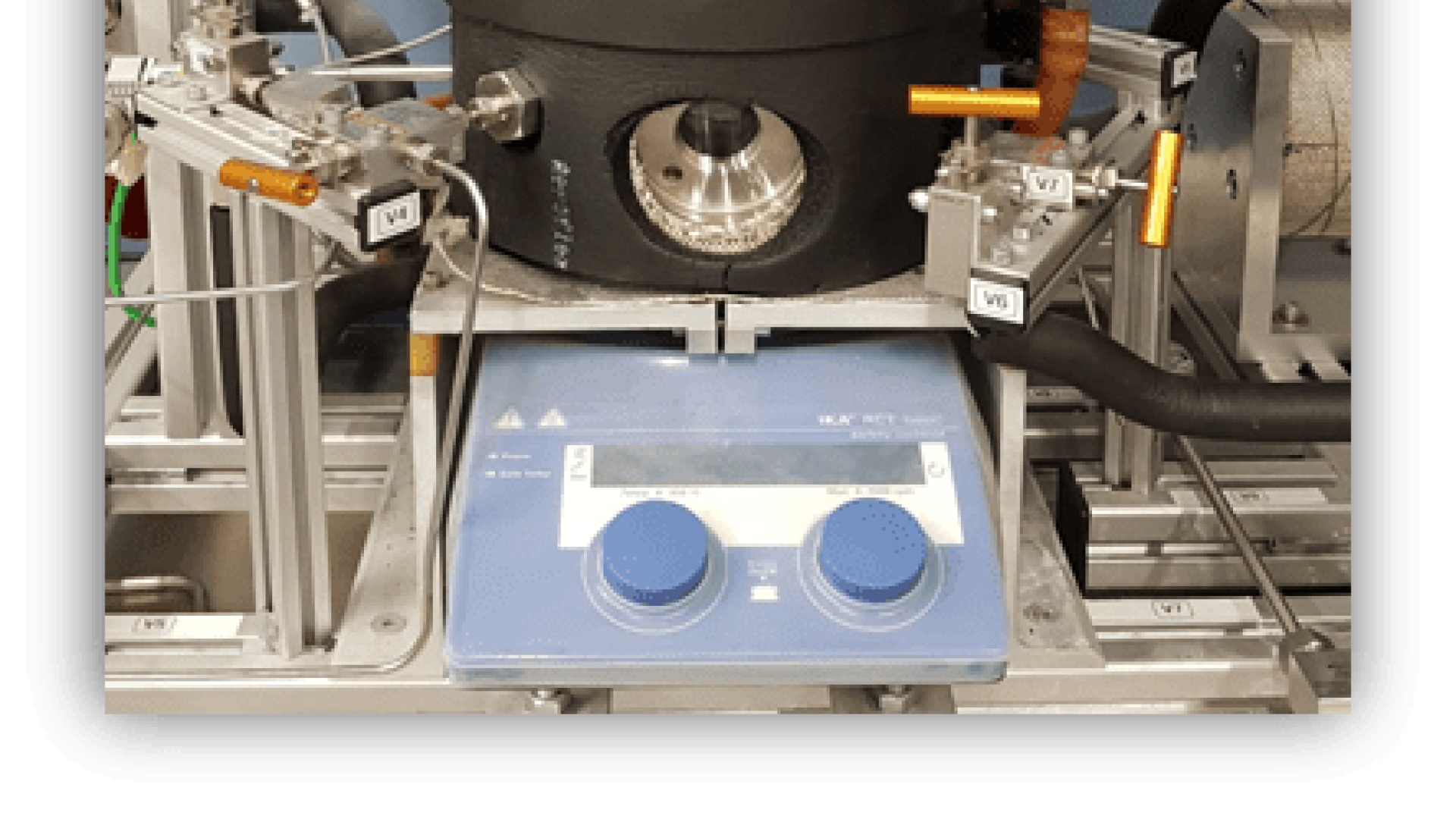
    The KrosFlo® KR2i system is an advanced Tangential Flow Filtration (TFF) platform, ideal for precise separation, concentration, and purification of biomolecules. Widely used in the biopharmaceutical and food industries, TFF offers significant advantages over traditional filtration methods by minimizing membrane clogging and ensuring consistent, high-performance operation.

    Applications:

    • Concentration: Ideal for downstream processing in bioprocessing workflows.
    • Diafiltration: Commonly applied in protein purification, desalting, and formulation.

    Location: Laboratory SCF. (MATGAS)

    More info: https://www.repligen.com/products/downstream-filtration/krosflo-tff-systems/krosflo-kr2i

    High Pressure Phase Analyzer

    The High Pressure Phase Analyzer is a specialized instrument designed to study the thermodynamic behavior of materials under elevated pressure conditions. Ideal for research in phase equilibria, solubility, and miscibility, the system offers precise control and visual monitoring, enabling in-depth understanding of complex material interactions involving solids, liquids, and gases.

    Applications:

    • Phase behaviour analysis
    • Solubility studies
    • Miscibility analysis

    Location: Laboratory SCF. (MATGAS)

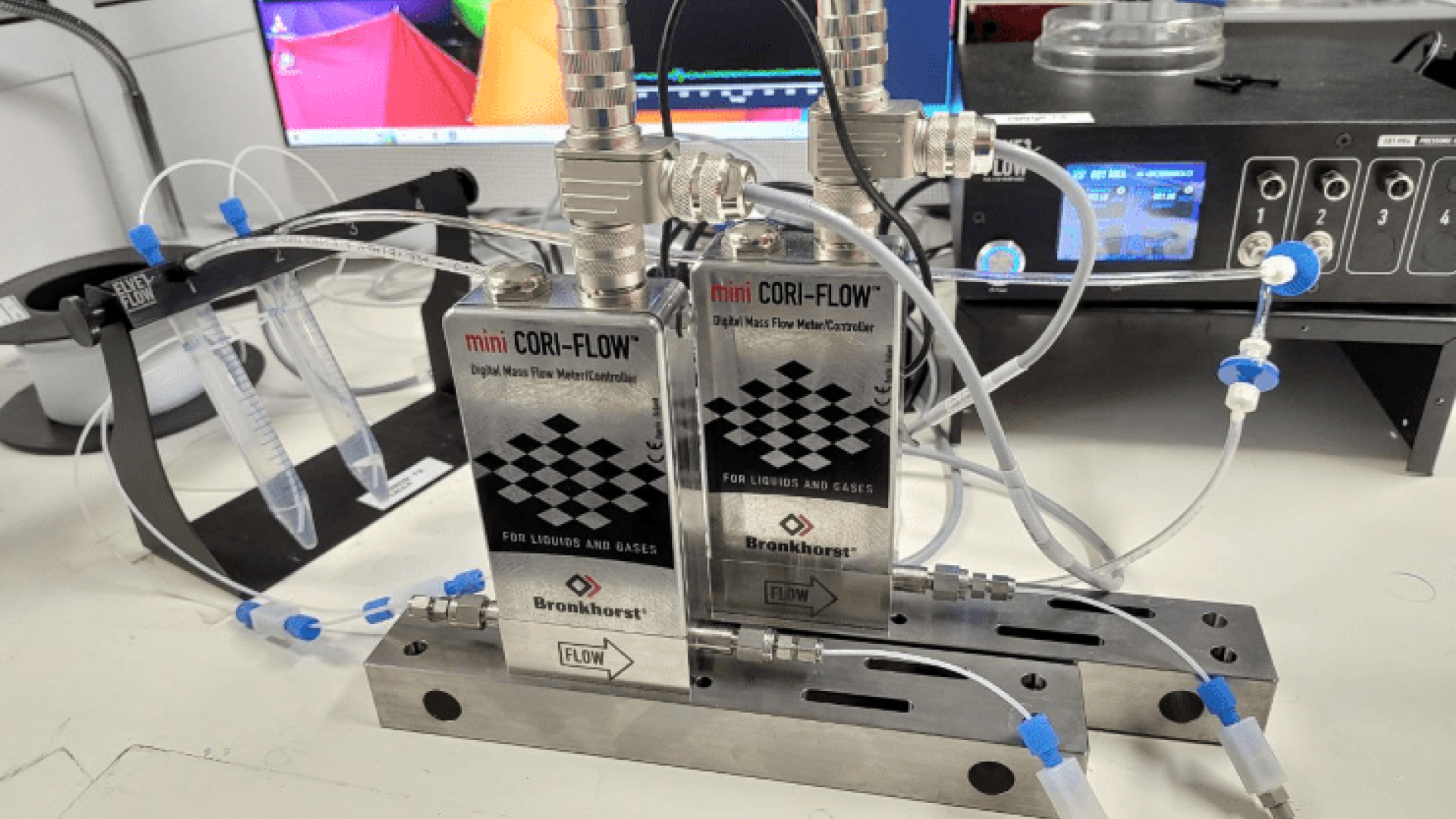
    Pulse-free Microfluidic System

    The Pulse-Free Microfluidic System is a miniaturized, precision-engineered platform designed to manipulate and control small volumes of fluids at the microscale. With a pulse-free flow, fast response time, and exceptional stability, this system enables advanced experimentation in biomedical research, chemical engineering, and nanotechnology.

    Its compact design, low sample consumption, and automation capabilities make it ideal for both laboratory and point-of-care applications.

    Applications

    • Nanoparticle synthesis
    • Drug delivery systems
    • Cell culture and analysis
    • Organ-on-a-chip

    Location: Laboratory SCF. (MATGAS)

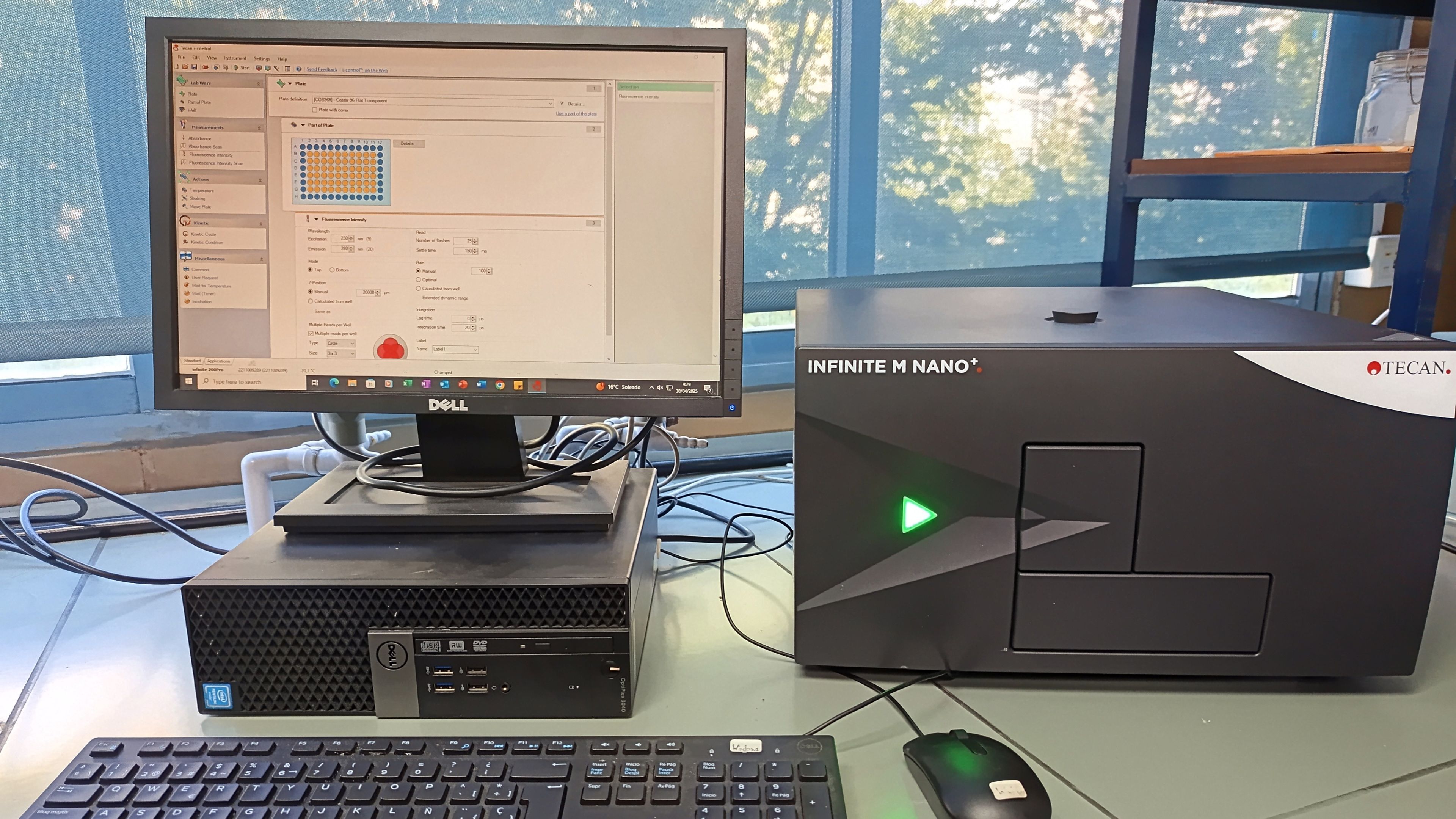
    Infinite 200 PRO M Nano+

    The Infinite 200 PRO is a family of easy-to-use multimode plate readers that offer affordable and high-performance detection solutions powered by monochromator or filter-based technologies.

    The Infinite M Nano+ features an optimized excitation monochromator for wavelength accuracy and precision, ensuring excellent performance for each absorbance and fluorescence assay.

    Applications:

    • DNA/RNA quantification based on absorbance, purity controls and fluorescence
    • Protein quantification based on absorbance and fluorescence.
    • Absorbance and fluorescence-based ELISA
    • Enzymatic kinetics
    • Compound characterization

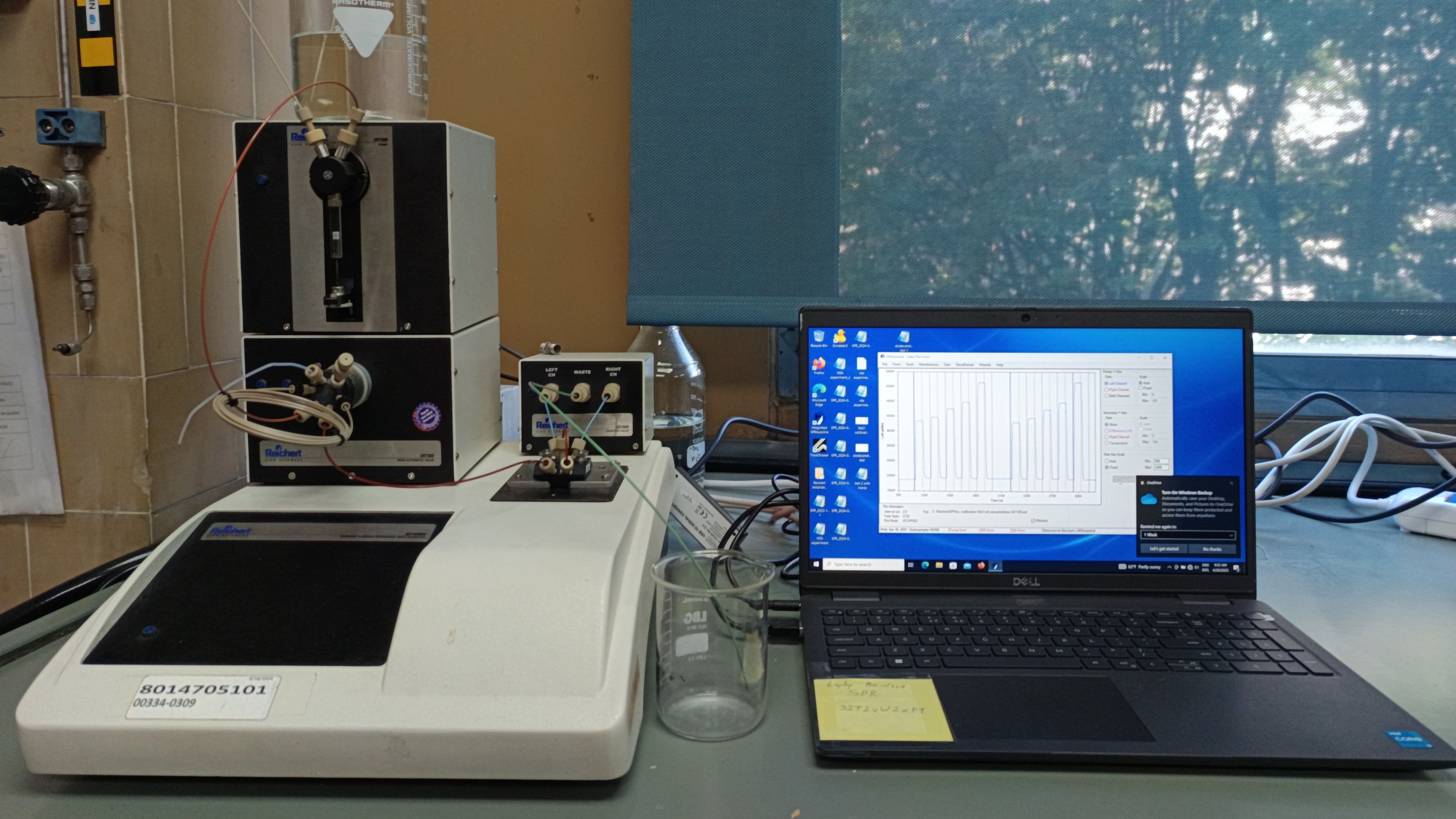
    SR7000 DC Reichert

    This Surface Plasmon Resonance (SPR) system generates high-quality data for kinetics, affinity, thermodynamics, and concentration.

    Reichert’s SR7000DC SPR System is an innovative label-free detection system offering unparalleled flexibility and remarkable sensitivity for biomolecular and biochemical analysis.

    Applications

    • Antibody development.
    • Drug development and discovery.
    • Nanoparticles/Nanomaterials.
    • Pharmaceutical research.
    • Systems biology.
    • Thermodynamics analysis (ΔH & ΔS).

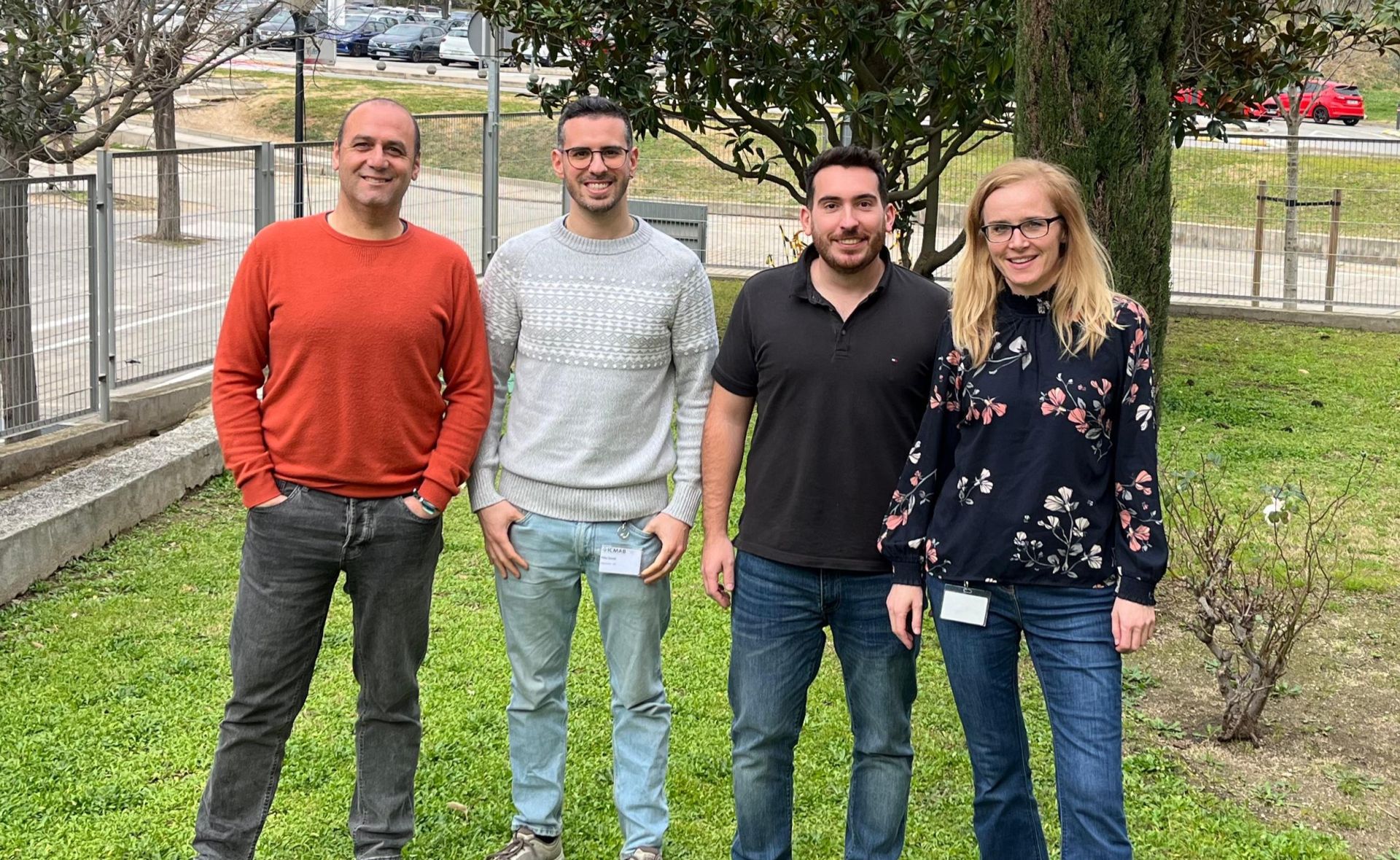
    Soft Materials Service team

    Technical staff, scientists in charge and user committee members supporting service access, instrumentation and scientific workflows.

    Technicians


    Scientists in charge


    User's Committee

    Contact Soft Materials Service

    ICMAB
    Campus UAB
    In front of Firehouse
    08193 Bellaterra
    Barcelona, Spain

    E-mail

    Phone